What Xeriscaping Is (And What It Is Not)
Xeriscaping is a landscaping approach designed to reduce or eliminate the need for supplemental irrigation. The term comes from the Greek word "xeros" meaning dry, and was coined in Denver in 1981 by Denver Water in response to Colorado's recurring drought cycles. It does not mean covering your yard in gravel and calling it done.
A properly designed xeriscape is a lush, colorful landscape that uses drought-adapted plants, efficient irrigation, strategic mulching, and thoughtful design to create an outdoor space that thrives on minimal water. In Colorado Springs, where annual rainfall averages just 15 to 17 inches and outdoor watering can account for 50 to 60 percent of residential water use during summer, xeriscaping is not a trend. It is the most practical approach to landscaping in our climate.
CN Landscaping designs and installs complete xeriscape landscapes across the Colorado Springs metro area. Every project follows the seven established principles of xeriscaping, adapted specifically for the soil conditions, elevation, and microclimates found throughout El Paso and Douglas counties.
The 7 Principles of Xeriscaping
Every CN Landscaping xeriscape project is built on these seven proven principles, each adapted for Colorado Springs conditions.
1. Planning and Design
Every xeriscape starts with a site-specific plan. We map sun exposure, wind patterns, slope, drainage, and existing soil conditions to create zones that group plants by water needs. This planning phase prevents the most common xeriscaping mistake: placing high-water and low-water plants in the same irrigation zone.
2. Soil Improvement
Colorado Springs soils are predominantly alkaline clay with pH levels between 7.5 and 8.5. While many xeriscape plants tolerate these conditions, amending planting beds with compost improves water retention in sandy areas and drainage in heavy clay. We test soil on-site and amend only where beneficial rather than applying blanket treatments.
3. Efficient Irrigation
Drip irrigation delivers water directly to root zones, reducing waste from evaporation and overspray by up to 50% compared to traditional spray heads. We design zone-specific irrigation with separate schedules for each hydrozone, smart controllers that adjust for weather, and rain sensors that prevent watering during precipitation events.
4. Appropriate Plant Selection
We select plants rated for USDA Zones 5b-6a that have proven track records in Colorado Springs. This means native species like blue grama, Penstemon, and Apache plume combined with adapted species like Russian sage, Karl Foerster grass, and lavender. Every plant we specify can survive on natural rainfall once established (typically after 2 growing seasons).
5. Mulching
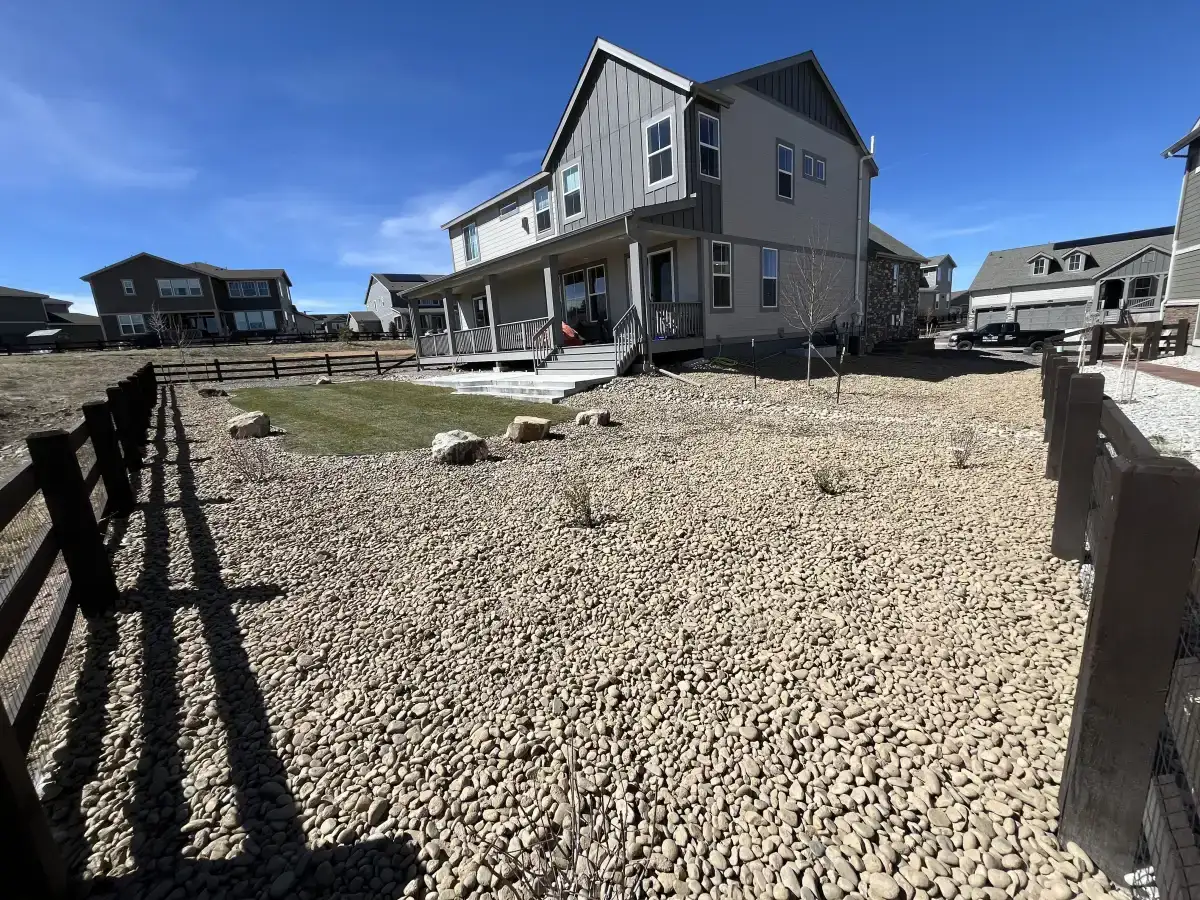
Rock mulch is the preferred ground cover for Colorado Springs xeriscapes. It suppresses weeds, reduces soil temperature fluctuation, and does not decompose or blow away like organic mulch in our dry, windy conditions. We use 2-3 inches of appropriately sized rock over commercial-grade landscape fabric for long-term performance.
6. Practical Turf Areas
Xeriscaping does not eliminate turf entirely. It limits turf to areas where it serves a functional purpose, such as play areas or gathering spaces. Where turf is used, we recommend drought-tolerant species like buffalo grass or blue grama grass that require 50-75% less water than Kentucky bluegrass. Turf is never planted on slopes or in narrow strips where irrigation efficiency is poor.
7. Appropriate Maintenance
Xeriscape landscapes require less maintenance than traditional turf, but they are not maintenance-free. Proper care includes seasonal pruning, annual pre-emergent weed control, irrigation system checks in spring and fall, and occasional top-dressing of rock mulch. CN Landscaping provides a maintenance guide with every installation and offers ongoing service plans.
How Much Water Does Xeriscaping Save?
The water savings from xeriscaping are substantial and well-documented. A standard 5,000 square foot Kentucky bluegrass lawn in Colorado Springs requires approximately 18,000 to 25,000 gallons of supplemental irrigation per month during June, July, and August. That translates to $80-$150 per month in water costs during peak season.
A properly designed xeriscape covering the same area requires 4,000 to 8,000 gallons per month, and many established xeriscapes survive on rainfall alone except during extended dry spells. The net savings: 50 to 75 percent reduction in outdoor water usage.
Beyond your water bill, xeriscaping reduces the strain on Colorado Springs' water infrastructure. El Paso County faces long-term water supply challenges as population growth outpaces available water rights. Every property that converts from bluegrass to xeriscaping contributes to the community's water resilience.
- 50-75% reduction in outdoor water usage compared to traditional turf
- $50-$150 per month in water bill savings during irrigation season
- Elimination of mowing, fertilizing, and aeration costs
- Reduced maintenance time from 4-6 hours per week to 2-4 hours per month
- Increased property value with professionally designed xeriscaping
- Compliance with current and future El Paso County water restrictions
Best Xeriscape Plants for Colorado Springs
The Pikes Peak region supports a diverse range of native and adapted plants that deliver four-season interest without demanding supplemental water once established. Here are the categories and species we recommend most frequently for Colorado Springs xeriscapes.
Native Grasses
Blue grama grass (Bouteloua gracilis) and buffalo grass (Bouteloua dactyloides) are the foundation of many xeriscapes. Both are warm-season grasses native to the Colorado Front Range that green up in late spring, tolerate full sun, and survive on 10-12 inches of annual moisture. They grow 4-6 inches tall and require mowing only once or twice per season.
Flowering Perennials
Penstemon, blanket flower (Gaillardia), black-eyed Susan, catmint, lavender, and Russian sage provide continuous color from May through October. All handle Colorado Springs' alkaline soils, intense UV, and low humidity without supplemental irrigation after their first two establishment seasons.
Ornamental Grasses
Karl Foerster feather reed grass, blue avena grass, and prairie dropseed add year-round architectural interest and movement. These grasses provide winter structure when perennials go dormant and serve as a visual bridge between rock mulch and flowering plants.
Shrubs and Trees
Apache plume, rabbitbrush, three-leaf sumac, Rocky Mountain juniper, Pinon pine, and mountain mahogany provide the structural backbone of any xeriscape. These species are native to the Pikes Peak region and have evolved to thrive in our specific soil, altitude, and precipitation conditions.
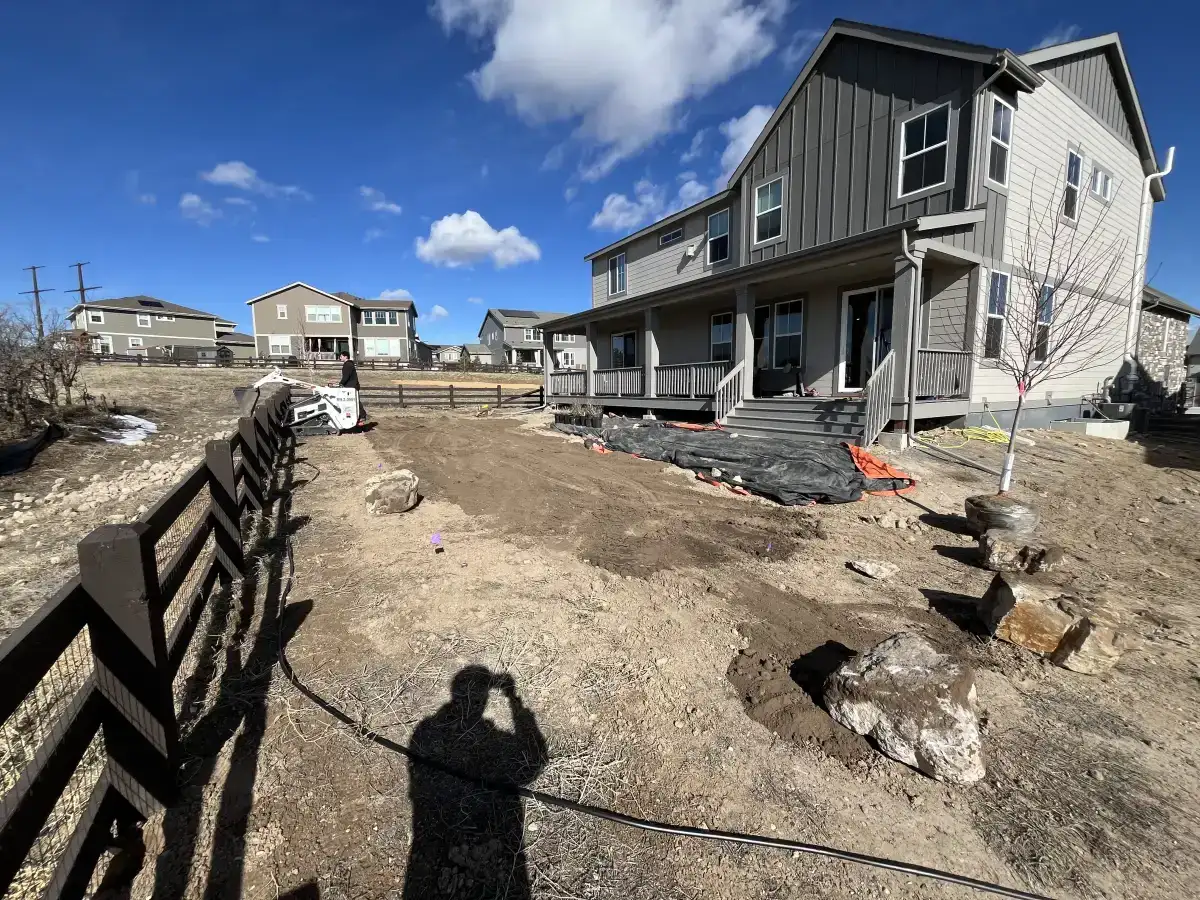
El Paso County Water Restrictions and Xeriscaping
Colorado Springs Utilities manages water resources for the city and surrounding areas, and water restrictions have become increasingly common during drought years. Summer watering restrictions typically limit landscape irrigation to specific days and times based on your address, with penalties for violations.
Xeriscaping positions your property ahead of these restrictions. A landscape designed to survive on minimal supplemental water is not affected by watering bans the way a bluegrass lawn is. While your neighbors scramble to keep their turf alive on restricted watering schedules, a mature xeriscape continues to thrive naturally.
Colorado Springs Utilities has offered turf replacement rebate programs that pay homeowners per square foot to convert high-water turf to xeriscaping. While program availability and funding vary by year, CN Landscaping stays current on all available incentives and helps clients apply during the project planning phase.
For properties in HOA-governed communities, we provide design documentation that meets common HOA landscape requirements. Many Colorado Springs HOAs have updated their covenants in recent years to explicitly permit and even encourage xeriscaping as a water conservation measure.
Xeriscaping FAQs
Xeriscaping costs in Colorado Springs typically range from $8 to $20 per square foot, depending on plant density, rock type, irrigation complexity, and grading requirements. A typical residential xeriscape conversion for a 1,000-2,000 square foot area runs $8,000-$30,000. While the upfront cost is higher than laying sod, the long-term savings in water bills, mowing, fertilizing, and replacement often pay back the investment within 3-5 years.
No. A common misconception is that xeriscaping means covering your yard in gravel. True xeriscaping uses the seven principles of water-efficient landscaping, which include proper plant selection, soil improvement, efficient irrigation, mulching, and practical turf areas. A well-designed xeriscape includes colorful native plants, ornamental grasses, flowering perennials, and even small areas of drought-adapted turf. It eliminates the high-water bluegrass, not all vegetation.
Top-performing xeriscape plants for Colorado Springs include blue grama grass and buffalo grass (turf alternatives), Penstemon and Russian sage (color), Karl Foerster feather reed grass (structure), Apache plume and rabbitbrush (shrubs), lavender and catmint (fragrance and pollinators), and Rocky Mountain juniper (evergreen). All of these thrive in our alkaline clay soils, handle full sun at altitude, and survive on natural rainfall once established.
Yes. A properly designed xeriscape reduces outdoor water usage by 50-75% compared to traditional Kentucky bluegrass lawns. In Colorado Springs, where outdoor watering can account for 50-60% of residential water use during summer months, this translates to significant savings. Many homeowners report saving $50-$150 per month during the irrigation season after converting to xeriscaping.
Colorado Springs Utilities has offered turf replacement rebate programs that incentivize converting water-intensive bluegrass to water-wise xeriscaping. Rebate amounts and availability vary by year and budget allocation. CN Landscaping stays current on available incentive programs and can help you determine eligibility and maximize rebate value as part of your project planning.
Ready to Save Water With Xeriscaping?
Get a free estimate for a drought-tolerant xeriscape designed for your Colorado Springs property. Serving Monument, Fountain, Falcon, Black Forest, Larkspur, and Perry Park.