
A Lush Lawn Starts With Proper Installation
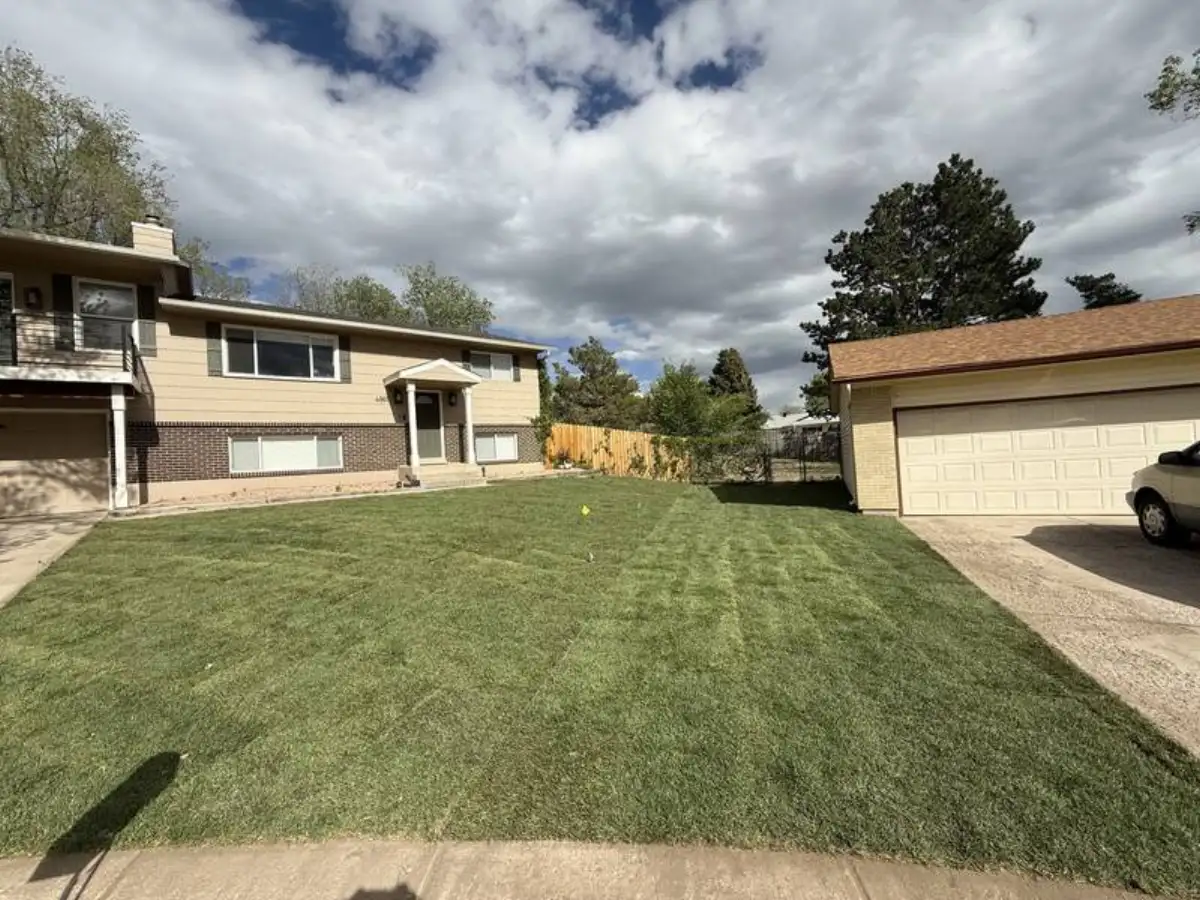
A professionally installed sod lawn transforms bare dirt or struggling grass into a dense, green yard in a single day. Unlike seeding, which takes 8-12 weeks to establish, sod provides instant ground cover that prevents erosion, cools your property, and adds immediate curb appeal.
CN Landscaping installs sod across Colorado Springs, Monument, Fountain, Falcon, Black Forest, Larkspur, and Perry Park. We handle every step — soil testing, old lawn removal, grading, soil amendment, sod delivery, and installation — so you get a finished lawn that's ready to root, not a pile of rolls in your driveway.
Colorado Springs lawns face challenges that lower-elevation cities don't. Intense UV radiation at altitude dries out new sod faster. Alkaline clay soils resist root penetration without proper amendment. And the region's 15 inches of annual rainfall means an irrigation plan isn't optional — it's essential. We build all of this into every sod installation we do.
Sod Types for Colorado Springs Lawns
Choosing the right grass variety is the single most important decision for a Colorado Springs lawn. Each type handles elevation, water restrictions, and temperature swings differently.
Kentucky Bluegrass
The most popular sod choice in Colorado Springs. Kentucky bluegrass produces a dense, dark-green lawn with excellent self-repair ability. It handles moderate foot traffic well and thrives in full sun — which Colorado Springs delivers in abundance with 247 sunny days per year. Requires regular watering (about 1.5 inches per week during summer) and benefits from a fall fertilization schedule. Best for front yards and high-visibility areas where appearance matters most.
Tall Fescue
A deep-rooted cool-season grass that tolerates drought better than bluegrass while maintaining year-round color. Tall fescue develops a root system up to 4 feet deep in Colorado soils, making it significantly more resilient during water restrictions. It's shade-tolerant — an advantage for properties with mature trees — and stays green longer into fall. Ideal for backyard areas, properties with mixed sun/shade, and homeowners who want a lower-maintenance lawn.
Buffalo Grass
A native warm-season grass that evolved on the Colorado plains. Buffalo grass requires up to 50% less water than Kentucky bluegrass and thrives in full sun with minimal fertilization. It develops a dense, fine-textured turf that resists weeds once established. The trade-off: buffalo grass goes dormant and turns golden-brown from late October through April. Best for large properties, acreage in Black Forest or Falcon, and homeowners prioritizing water conservation.
How We Install Sod in Colorado Springs
Every sod installation follows the same proven process, whether we're covering a 500-square-foot side yard or a 10,000-square-foot estate lawn.
- Site evaluation and soil testing — We assess drainage patterns, sun exposure, existing soil pH, and compaction levels before recommending a sod variety
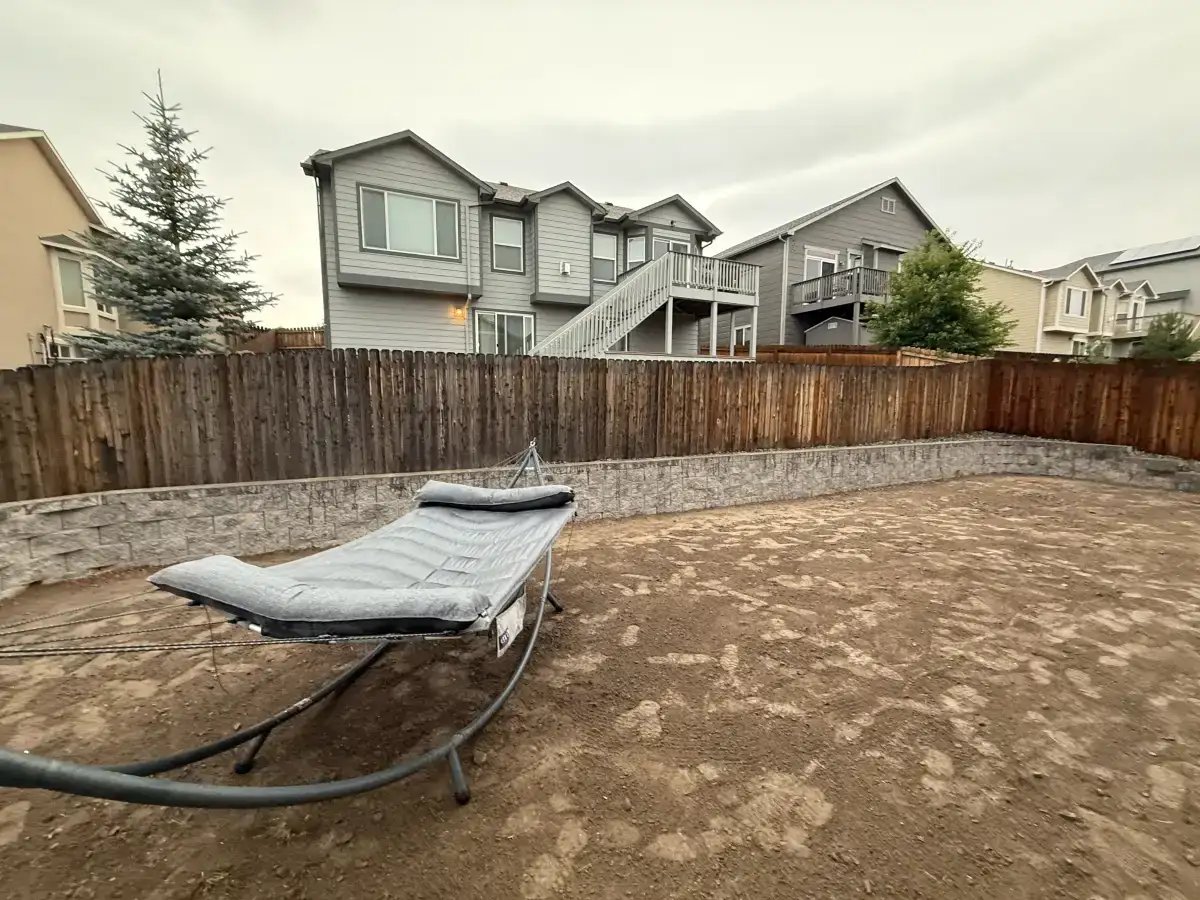
- Old lawn removal and debris clearing — Sod cutters strip existing grass down to bare soil; all debris is hauled away
- Soil amendment and grading — We rototill 2-3 inches of compost into Colorado's clay soil, establish proper drainage grade (minimum 2% slope away from foundations), and rake to a smooth, level finish
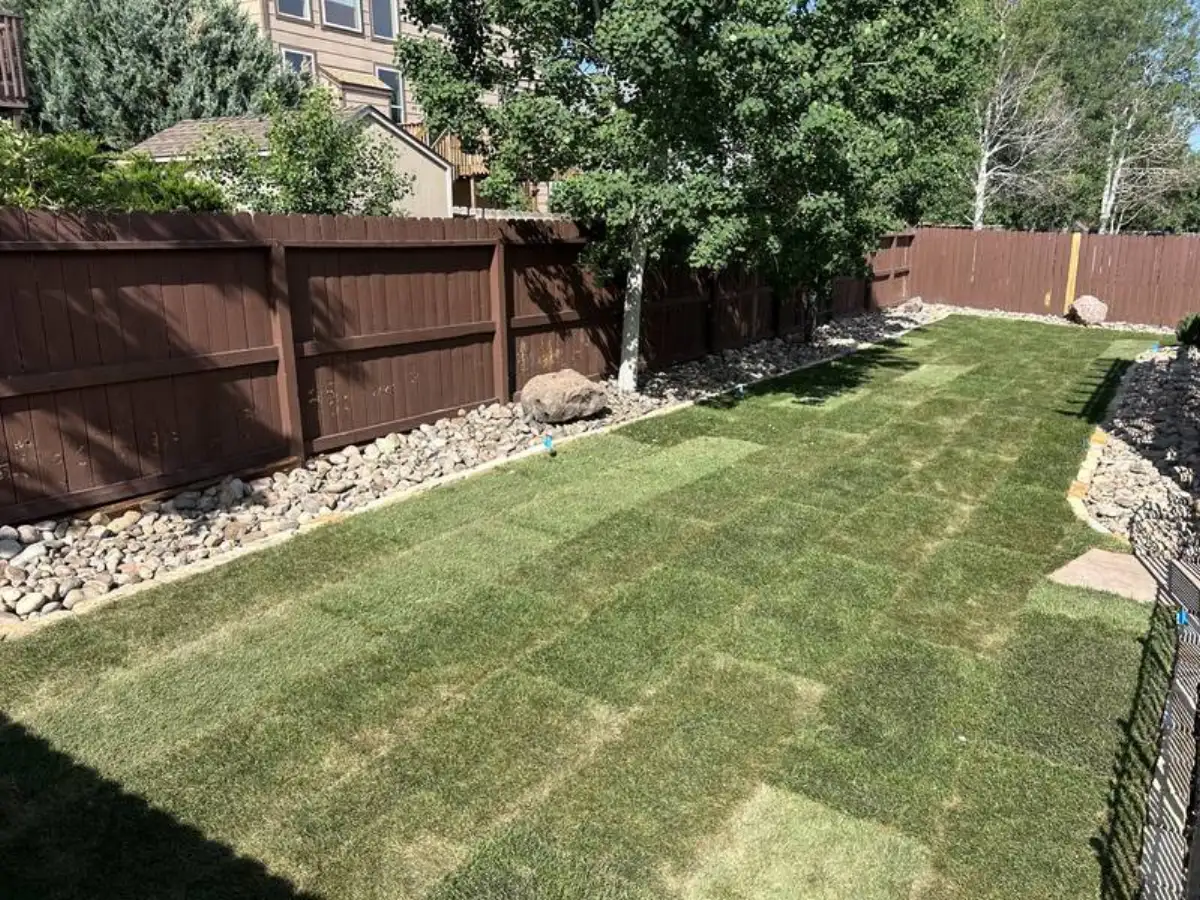
- Sod delivery and installation — Fresh-cut sod is delivered same-day and installed in a staggered brick pattern with tight seams to prevent drying and weed intrusion
- Rolling and first watering — A lawn roller eliminates air pockets between sod and soil, followed by a thorough initial soaking of 1 inch of water
- Watering schedule and care plan — You receive a written watering calendar adjusted for Colorado Springs elevation, including seasonal transition guidelines
Best Time to Install Sod in Colorado
Timing your sod installation correctly is critical at altitude. Colorado Springs has a shorter growing season than Denver — frost dates typically run from mid-May through mid-September — and the intense UV and low humidity mean new sod dehydrates quickly in summer heat.
Spring (mid-April to mid-June): The ideal window. Soil temperatures rise above 55 degrees, triggering root growth, and natural spring moisture helps establishment. Early spring installations are fully rooted before summer heat arrives. See our spring landscaping checklist for the full timeline of yard prep tasks around sod installation.
Fall (September to mid-October): The second-best window. Cooler air temperatures reduce water stress while soil remains warm enough for root development. Fall-installed sod enters winter dormancy with an established root system and greens up quickly the following spring.
Summer (late June to August): Possible but challenging. High UV intensity at 6,000+ feet, afternoon thunderstorms that create uneven watering, and daytime temperatures above 90 degrees all stress new sod. Summer installations require significantly more watering — sometimes three times daily — and carry higher failure risk.
Winter (November to March): Not recommended. Frozen ground prevents root establishment, and dormant sod is vulnerable to desiccation from Colorado's dry winter winds.
Watering New Sod at 6,000+ Feet Elevation
Colorado Springs sits at a higher elevation than most cities in the U.S. This means stronger UV radiation, lower humidity, and faster evaporation — all of which affect how you water new sod.
Week 1-2: Establishment
Water twice daily — early morning (5-6 AM) and late afternoon (4-5 PM). Apply 15-20 minutes per zone to keep sod consistently moist without creating standing water. The goal is to prevent edges from curling and drying, which happens faster at altitude than at sea level. Keep foot traffic off new sod entirely during this phase.
Week 3-4: Transition
Reduce to once daily in the morning. Increase run time to 20-25 minutes per zone to encourage deeper root growth. By the end of week three, tug gently on the sod — if it resists, roots are establishing. Begin mowing when grass reaches 3.5 inches, cutting no more than one-third of the blade height.
Week 5+: Deep Watering
Transition to a deep-watering schedule of 2-3 times per week, applying 0.5 inches per session. Deep, infrequent watering trains roots to grow downward into Colorado's clay soil rather than staying shallow near the surface. This produces a more drought-resilient lawn that survives water restrictions and winter dormancy.
Sod Installation Pricing
Sod installation costs in Colorado Springs depend on lawn size, sod variety, and site conditions. Here's what to expect:
- Kentucky Bluegrass: $1.50 - $2.50 per sq ft installed (most popular)
- Tall Fescue: $1.75 - $2.75 per sq ft installed
- Buffalo Grass: $2.00 - $3.50 per sq ft installed
- Typical residential lawn (2,000 sq ft): $3,000 - $7,000
- Large property (5,000+ sq ft): $6,500 - $15,000+
All pricing includes old lawn removal, soil amendment with compost, grading, sod delivery and installation, rolling, initial watering, and a written care plan. No hidden fees or surprise upcharges.
Get Your Free Estimate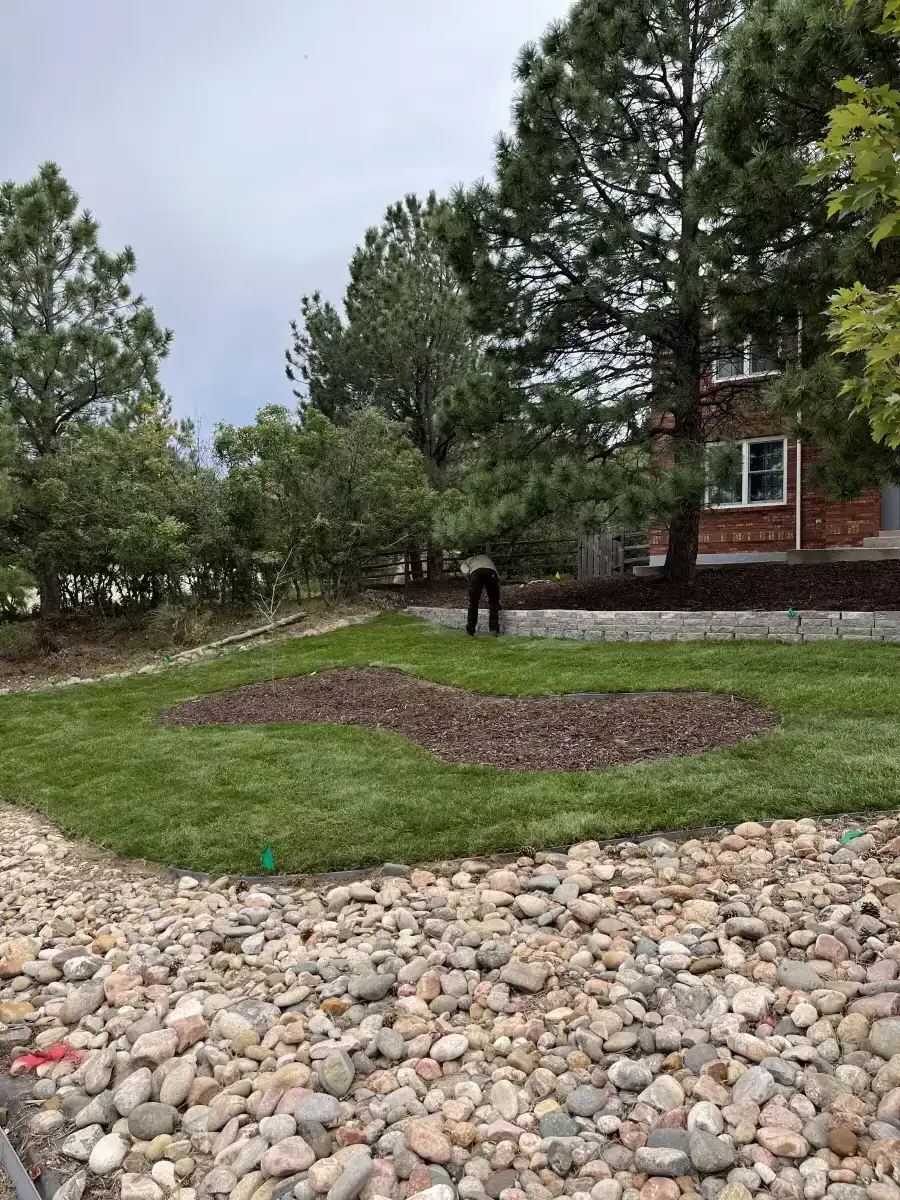
Sod Installation FAQ
The best times for sod installation in Colorado Springs are mid-April through mid-June and September through mid-October. Spring installations benefit from warming soil temperatures and natural rainfall, while fall installations take advantage of cooler air temperatures that reduce water stress on new roots. Avoid mid-summer installations when daytime temperatures regularly exceed 90 degrees, as the heat stress makes establishment significantly harder at elevation.
Sod installation in Colorado Springs typically costs between $1.50 and $3.50 per square foot installed, including soil preparation, grading, and the sod itself. A typical 2,000-square-foot residential lawn runs $3,000 to $7,000 depending on site conditions and sod variety. Kentucky bluegrass is the most popular and moderately priced option, while buffalo grass costs slightly more upfront but saves significantly on water over time.
During the first two weeks after installation, water new sod twice daily for 15-20 minutes per zone — once in the early morning and once in the late afternoon. Colorado Springs sits at 6,000+ feet elevation where UV intensity and low humidity cause faster moisture evaporation than lower-elevation cities. After week two, gradually reduce to once daily, then transition to a deep-watering schedule of 2-3 times per week by week four.
Kentucky bluegrass is the most popular sod choice for Colorado Springs, offering a dense, dark-green lawn that handles foot traffic well. For lower-water alternatives, tall fescue provides deep roots and drought tolerance with year-round color. Buffalo grass is the most water-efficient option — a native grass that requires up to 50% less water than bluegrass — though it goes dormant and turns brown in winter.
Yes. Proper sod installation requires removing existing grass, weeds, and debris down to bare soil. We use sod cutters to strip the old lawn, then rototill and amend the soil with compost to improve Colorado's alkaline clay soils. This preparation step is critical — laying new sod over old grass prevents root establishment and leads to failure. Our price includes full removal and soil prep.
Ready for a New Lawn?
Get a free, no-obligation estimate for professional sod installation. Serving Colorado Springs, Monument, Fountain, Falcon, Black Forest, Larkspur, and Perry Park.